As a seasoned supplier of CNC machining parts, I often encounter a crucial question from our clients and potential partners: Are there any certifications required for CNC machining parts manufacturers? This query is not only significant for clients seeking reliable suppliers but also for manufacturers aiming to demonstrate their credibility and quality assurance. In this blog, I'll delve into this topic, sharing insights from our own experience in the industry and highlighting the importance of certifications in CNC machining.
Understanding the Basics of CNC Machining
Before diving into the certification requirements, it's essential to understand what CNC machining is and why it's so prevalent in various industries. CNC, or Computer Numerical Control, machining is a manufacturing process in which pre-programmed computer software dictates the movement of factory tools and machinery. This process allows for high precision, repeatability, and efficiency in producing parts made from a wide range of materials, including metals, plastics, and composites.
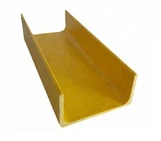
At our company, we specialize in providing high-quality CNC machining parts for diverse applications, such as in the electrical industry. For instance, we offer SMC Switch Cabinet CNC Machining Electrical Partition and SMC Switch Cabinet CNC Machining Electrical Partition, which are vital components in electrical systems. These parts require strict adherence to quality standards to ensure their functionality and safety.
Importance of Certifications in CNC Machining
Certifications play a pivotal role in the CNC machining industry. They serve as a testament to a manufacturer's commitment to quality, safety, and compliance with industry standards. Here are some key reasons why certifications are crucial:
-
Quality Assurance: Certifications often involve rigorous testing and inspections of a manufacturer's processes, equipment, and products. By obtaining relevant certifications, we demonstrate our ability to consistently produce high-quality parts that meet or exceed customer expectations. For example, our SMC CNC Machining Of Electrical Structural Parts are manufactured under strict quality control measures, and our certifications validate the reliability of these parts.
-
Market Access: Many industries have specific requirements for the products they purchase. Certifications can open doors to new markets and customers by meeting these requirements. For instance, in the aerospace and automotive industries, manufacturers often require suppliers to have certain certifications to ensure the safety and performance of their products.
-
Compliance: Certifications ensure that manufacturers comply with relevant laws, regulations, and industry standards. This not only protects the end-users but also helps manufacturers avoid legal issues and potential liabilities. In the electrical industry, for example, compliance with standards related to electrical safety is of utmost importance.
Common Certifications in CNC Machining
There are several certifications that are commonly recognized in the CNC machining industry. Here are some of the most important ones:
-
ISO 9001:2015: This is an international standard for quality management systems. It focuses on ensuring that a company has effective processes in place to consistently meet customer requirements and enhance customer satisfaction. ISO 9001 certification covers all aspects of a manufacturing operation, from design and development to production, installation, and servicing. At our company, we hold ISO 9001:2015 certification, which demonstrates our commitment to quality management and continuous improvement.
-
ISO 14001:2015: This standard relates to environmental management systems. It helps organizations minimize their environmental impact by implementing effective environmental policies, procedures, and practices. In the CNC machining industry, this can involve reducing waste, conserving energy, and properly disposing of hazardous materials. Having ISO 14001 certification shows our clients that we are environmentally responsible and accountable.
-
AS9100D: This is a quality management system standard specifically for the aerospace industry. It builds on the ISO 9001 standard and includes additional requirements related to safety, reliability, and traceability. For CNC machining parts manufacturers supplying the aerospace industry, AS9100D certification is often a prerequisite for doing business.
-
TS 16949: This standard is an automotive industry - specific quality management system. It aims to provide a framework for continuous improvement, defect prevention, and waste reduction in the automotive supply chain. If a CNC machining parts manufacturer wants to supply parts to automotive companies, having TS 16949 certification can be a significant advantage.


Obtaining and Maintaining Certifications
Obtaining certifications is not a one - time event; it requires a long - term commitment to quality and continuous improvement. The process typically involves the following steps:
-
Gap Analysis: A manufacturer first needs to assess its existing processes and practices against the requirements of the certification standard. This helps identify areas that need improvement.
-
Implementation: Once the gaps have been identified, the manufacturer must implement the necessary changes to meet the standard's requirements. This may involve updating procedures, training employees, and investing in new equipment or technology.
-
Audit: An independent certification body conducts an audit to verify that the manufacturer's processes and products comply with the standard. If the audit is successful, the manufacturer is awarded the certification.
-
Maintenance: After obtaining the certification, the manufacturer must continue to maintain compliance. This involves regular internal audits, management reviews, and corrective actions to address any non - conformities.
Our Experience with Certifications
At our company, we understand the importance of certifications in building trust with our clients. We have invested significant time and resources in obtaining and maintaining relevant certifications. Our ISO 9001:2015 certification has been instrumental in demonstrating our commitment to quality. It has allowed us to streamline our processes, improve our product quality, and enhance customer satisfaction.
Our environmental certifications, such as ISO 14001:2015, have also been well - received by our clients. They appreciate our efforts to minimize our environmental impact and contribute to a more sustainable future.
Conclusion
In conclusion, while there is no one - size - fits - all answer to whether there are certifications required for CNC machining parts manufacturers, having relevant certifications can significantly enhance a manufacturer's reputation, competitiveness, and market access. As a supplier, we believe that certifications are not just a piece of paper but a reflection of our commitment to quality, safety, and environmental responsibility.
If you are in the market for high - quality CNC machining parts and are looking for a reliable supplier, we encourage you to reach out to us for a detailed discussion about your requirements. We are confident that our certified products and services will meet your expectations and contribute to the success of your projects.
References
- International Organization for Standardization (ISO). ISO 9001:2015, Quality management systems — Requirements.
- International Organization for Standardization (ISO). ISO 14001:2015, Environmental management systems — Requirements with guidance for use.
- Society of Automotive Engineers (SAE). AS9100D, Quality management systems — Requirements for aviation, space, and defense organizations.
- International Automotive Task Force (IATF). TS 16949, Quality management systems — Particular requirements for the application of ISO 9001:2015 for automotive production and relevant service part organizations.