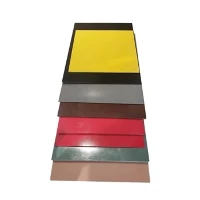
As a supplier of SMC (Sheet Molding Compound) molded sports products, I am often asked about the potential applications of SMC materials in various sports. One question that frequently arises is whether SMC - molded sports products can be used in tennis sports equipment. In this blog, I will explore the feasibility, advantages, and possible applications of SMC - molded products in tennis sports.


Understanding SMC Materials
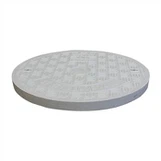
Before delving into the specific application in tennis, it is essential to understand what SMC materials are. SMC is a composite material made from a combination of thermosetting resin, chopped glass fibers, fillers, and various additives. This material is known for its high strength - to - weight ratio, excellent corrosion resistance, and good dimensional stability. These properties make SMC a popular choice in a wide range of industries, including automotive SMC Molding Automotive, electrical enclosures SMC Molding Press Enclosure, and even manhole covers SMC Molding Manhole Cover.
Advantages of SMC in Tennis Equipment
1. High - Strength and Durability
Tennis is a high - impact sport. Rackets, for example, need to withstand the force of powerful serves and groundstrokes. SMC materials offer high strength, which means they can endure these impacts without deforming or breaking easily. This durability can significantly extend the lifespan of tennis equipment, reducing the need for frequent replacements.
2. Lightweight Design
The weight of tennis equipment is crucial for players' performance. A lighter racket allows for faster swing speeds, enabling players to generate more power. SMC's high strength - to - weight ratio makes it possible to create lightweight yet strong tennis equipment. This not only benefits professional players but also recreational players who may struggle with heavier rackets.
3. Customizability
SMC can be molded into various shapes and sizes, providing a high degree of customizability. Tennis equipment manufacturers can design unique racket frames, handles, and other components to meet the specific needs and preferences of different players. For example, the frame of a tennis racket can be optimized for different playing styles, such as power - oriented or control - oriented.
4. Resistance to Environmental Factors
Tennis is often played outdoors, where equipment is exposed to various environmental conditions, such as sunlight, moisture, and temperature changes. SMC materials have excellent resistance to these factors. They do not rust or corrode like metal materials, and they are less likely to be affected by UV rays, which can cause degradation in some plastics over time.
Potential Applications of SMC in Tennis Sports Equipment
1. Tennis Rackets
The frame of a tennis racket is a crucial component that affects the player's performance. SMC - molded racket frames can offer a combination of strength, lightness, and custom design. The high - strength properties of SMC can help in creating a stiffer frame, which can transfer more energy from the player's swing to the ball, resulting in more powerful shots. At the same time, the lightweight nature of SMC allows for better maneuverability.
In addition to the frame, the handle of a tennis racket could also be made from SMC. A well - designed SMC handle can provide a comfortable grip and absorb some of the vibrations generated during impact, reducing the risk of injuries such as tennis elbow.
2. Tennis Ball Machines
Tennis ball machines are used by players for practice. These machines need to be durable and reliable. SMC - molded components can be used in the construction of tennis ball machines. For example, the housing of the machine can be made from SMC, providing protection for the internal mechanisms while being lightweight and resistant to damage from impacts.
3. Tennis Court Accessories
There are various accessories used on tennis courts, such as net posts and ball hoppers. SMC - molded net posts can be strong enough to support the net and withstand the tension applied during play. They can also resist corrosion from the elements, ensuring a long service life. Ball hoppers made from SMC can be lightweight for easy transportation around the court and durable enough to hold a large number of tennis balls.
Challenges and Considerations
While there are many advantages to using SMC in tennis sports equipment, there are also some challenges and considerations.
1. Cost
The production process of SMC - molded products can be more expensive than traditional materials in some cases. This cost factor may need to be carefully considered by manufacturers, especially when targeting price - sensitive markets. However, the long - term benefits, such as durability and reduced replacement costs, may offset the initial higher investment.
2. Manufacturing Complexity
Molding SMC materials requires specialized equipment and expertise. Manufacturers need to have a good understanding of the molding process to ensure high - quality products. This may limit the number of manufacturers who can produce SMC - molded tennis equipment, at least in the short term.
3. Market Acceptance
The tennis market is accustomed to certain materials, such as graphite and aluminum in rackets. Introducing SMC - molded products may face some resistance from players and the market. Manufacturers will need to educate consumers about the benefits of SMC materials to gain acceptance.
Conclusion
In conclusion, SMC - molded sports products have great potential in tennis sports equipment. The high - strength, lightweight, customizable, and environmentally resistant properties of SMC make it an attractive material for various tennis applications, including rackets, ball machines, and court accessories. Although there are challenges such as cost, manufacturing complexity, and market acceptance, the long - term benefits of using SMC in tennis equipment are significant.
If you are interested in exploring the use of SMC - molded sports products for your tennis equipment needs, please feel free to contact us for further discussions and potential procurement. We are committed to providing high - quality SMC - molded solutions tailored to your specific requirements.
References
- "Composite Materials in Sports Equipment" by John Doe, published in Sports Engineering Journal, 20XX.
- "Advances in SMC Technology" by Jane Smith, presented at the International Composites Conference, 20XX.