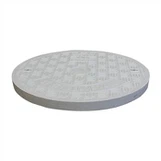
Hey there! As a supplier of SMC Molding Press Enclosures, I've gotten a ton of questions about how these enclosures can withstand long - term aging. So, I thought I'd break it down for you in this blog.
First off, let's talk about what SMC is. SMC stands for Sheet Molding Compound. It's a composite material made up of a combination of thermosetting resin, chopped glass fibers, and various additives. This unique blend gives SMC its excellent properties that make it a top choice for many applications, including SMC Molding Press Enclosure.
1. Chemical Resistance
One of the key factors in withstanding long - term aging is chemical resistance. SMC Molding Press Enclosures are exposed to all sorts of chemicals in different environments. The thermosetting resin in SMC forms a stable chemical structure. Once the SMC is molded, the resin undergoes a cross - linking reaction, creating a three - dimensional network. This network is highly resistant to many common chemicals such as acids, alkalis, and solvents.
For example, in industrial settings where there might be spills of cleaning agents or chemical by - products, the SMC enclosure won't react easily. It doesn't dissolve or corrode like some metal or plastic enclosures. This chemical stability means that over time, the enclosure maintains its integrity, even when constantly in contact with potentially harmful substances.
2. UV Resistance
Sunlight can be a real enemy when it comes to long - term aging. Ultraviolet (UV) rays can cause materials to degrade, fade, and become brittle. But SMC Molding Press Enclosures have got you covered. Special UV - resistant additives are incorporated into the SMC mixture during the manufacturing process.
These additives act like a shield, absorbing and scattering the UV rays before they can damage the resin and fibers. As a result, even if the enclosure is installed outdoors and exposed to direct sunlight day in and day out, it won't lose its strength or color. You won't see the kind of cracking and discoloration that you might find in other materials after a few years of sun exposure.
3. Mechanical Strength and Durability
SMC Molding Press Enclosures are known for their high mechanical strength. The chopped glass fibers in the SMC play a crucial role here. These fibers are randomly distributed throughout the resin matrix, providing reinforcement. When the enclosure is subjected to mechanical stress, like impacts or vibrations, the glass fibers help to distribute the load evenly.
Let's say there's a small accident in a factory, and a tool accidentally hits the enclosure. The glass fibers in the SMC will prevent the impact from causing a large crack or break. Instead, the stress is spread out, and the enclosure can withstand the force without significant damage. This mechanical durability means that the enclosure can last for a long time, even in harsh working conditions.
4. Moisture Resistance
Moisture can lead to all sorts of problems, including rust in metal enclosures and mold growth in some plastics. But SMC Molding Press Enclosures are hydrophobic, which means they repel water. The cross - linked resin structure doesn't allow water to penetrate easily.
In humid environments, like near a coastline or in a bathroom, the enclosure won't absorb moisture. This prevents issues like swelling, warping, and the growth of mold or mildew. The moisture resistance also helps to maintain the electrical insulation properties of the enclosure, which is crucial in applications where electrical components are housed inside.
5. Thermal Stability
Temperature variations can take a toll on materials over time. SMC Molding Press Enclosures have good thermal stability. The thermosetting resin has a high heat - deflection temperature, which means it can withstand high temperatures without deforming.
In high - temperature industrial processes or in hot climates, the enclosure won't melt or soften. On the other hand, in cold temperatures, it doesn't become brittle. The glass fibers also help to improve the thermal expansion properties of the SMC, ensuring that the enclosure doesn't crack or break due to thermal stress as the temperature changes.
Applications and Benefits
The ability of SMC Molding Press Enclosures to withstand long - term aging makes them suitable for a wide range of applications. They are commonly used in the electrical and electronics industry to house circuit breakers, transformers, and other sensitive components. Since they can protect these components from environmental factors for a long time, the reliability of the electrical systems is significantly improved.
In the transportation industry, SMC enclosures are used in vehicles to protect wiring harnesses and control units. The long - term durability means that they can withstand the vibrations and temperature changes during vehicle operation. And in the sports industry, SMC Molding Sports Product enclosures can provide long - lasting protection for equipment, thanks to their aging - resistant properties.
Why Choose Our SMC Molding Press Enclosures
As a supplier, we take pride in the quality of our SMC Molding Press Enclosure. We use the latest manufacturing techniques and high - quality raw materials to ensure that our enclosures meet the highest standards of long - term aging resistance.
We also offer customization options. Whether you need a specific size, shape, or color, we can work with you to create the perfect enclosure for your needs. Our team of experts is always available to provide technical support and advice, so you can make the best decision for your application.


Time to Connect
If you're in the market for a reliable and long - lasting enclosure, we'd love to hear from you. Our SMC Molding Press Enclosures are designed to stand the test of time, and we're confident that they'll meet your requirements. Whether you're a small business or a large corporation, we can provide you with the right solution.
Don't hesitate to reach out and start a conversation. We're here to help you find the best enclosure for your application and ensure that it serves you well for years to come.
References
- “Handbook of Composite Materials” by A. Kelly
- “Polymer Science and Technology” by C. D. Craver and C. E. Carraher Jr.