When it comes to constructing structures using FRP (Fiber Reinforced Polymer) pultruded profiles, one of the most crucial aspects is knowing how to join these profiles together effectively. As a seasoned FRP Pultruded Profile supplier, I've had extensive experience in this area and am excited to share some valuable insights on the various methods and best practices for joining FRP pultruded profiles.
Understanding FRP Pultruded Profiles
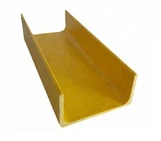
Before delving into the joining techniques, it's essential to understand what FRP pultruded profiles are. FRP pultrusion is a manufacturing process that produces continuous, high - strength, and lightweight profiles. These profiles are made by pulling fiberglass reinforcements through a resin bath and then through a heated die, where the resin cures. The result is a profile with excellent corrosion resistance, high strength - to - weight ratio, and low maintenance requirements. They are widely used in industries such as construction, transportation, and infrastructure.
Joining Methods
Mechanical Fastening
Mechanical fastening is one of the most straightforward and commonly used methods for joining FRP pultruded profiles. This method involves using bolts, screws, or rivets to connect the profiles.
- Bolts and Screws: When using bolts and screws, it's important to pre - drill holes in the profiles to prevent cracking. The size of the holes should be slightly larger than the diameter of the fasteners to allow for some movement due to thermal expansion and contraction. For example, if you're using a 6mm bolt, you might drill a 6.5mm hole. Additionally, washers should be used to distribute the load evenly and prevent damage to the surface of the profiles.
- Rivets: Rivets are another option for mechanical fastening. They are particularly useful when a more permanent connection is required. Riveting involves inserting a rivet into a pre - drilled hole and then deforming the end of the rivet to hold the profiles together. However, riveting can be more labor - intensive compared to using bolts and screws.
One of the advantages of mechanical fastening is that it allows for easy disassembly and reassembly, which can be beneficial for maintenance or modifications. However, it can also create stress concentrations at the fastener locations, which may lead to premature failure if not properly designed.
Adhesive Bonding
Adhesive bonding is a popular method for joining FRP pultruded profiles as it provides a strong, continuous bond and distributes the load evenly across the joint.
- Selecting the Right Adhesive: There are several types of adhesives available for bonding FRP profiles, including epoxy, polyurethane, and acrylic adhesives. Epoxy adhesives are often preferred due to their high strength, good chemical resistance, and excellent adhesion to FRP materials. When selecting an adhesive, it's important to consider factors such as the operating temperature, environmental conditions, and the required curing time.
- Surface Preparation: Proper surface preparation is crucial for successful adhesive bonding. The surfaces of the profiles to be bonded should be clean, dry, and free of any contaminants such as dust, oil, or grease. This can be achieved by using a solvent to clean the surfaces and then sanding them lightly to create a rough surface for better adhesion.
- Application and Curing: The adhesive should be applied evenly to one or both of the surfaces to be bonded. The profiles should then be clamped together firmly to ensure good contact and proper bonding. The curing time of the adhesive depends on the type of adhesive used and the environmental conditions. It's important to follow the manufacturer's instructions regarding the curing time and temperature.
Adhesive bonding offers a smooth and aesthetically pleasing joint, and it can also provide additional stiffness and strength to the structure. However, it requires careful surface preparation and proper application techniques, and it may not be suitable for applications where disassembly is required.


Welding (Thermoplastic FRP)
For thermoplastic FRP pultruded profiles, welding is a viable joining method.
- Fusion Welding: Fusion welding involves heating the surfaces of the profiles to their melting point and then pressing them together to form a bond. This can be achieved using various techniques such as hot gas welding, extrusion welding, or ultrasonic welding.
- Hot Gas Welding: In hot gas welding, a stream of hot air is used to heat the surfaces of the profiles and a filler rod. The filler rod is then melted and used to fill the joint between the profiles. This method requires a skilled operator to control the temperature and the flow of the filler rod.
- Extrusion Welding: Extrusion welding uses an extruder to melt a filler material and deposit it into the joint. This method is suitable for joining large - area profiles and can provide a strong and durable bond.
- Ultrasonic Welding: Ultrasonic welding uses high - frequency vibrations to generate heat at the joint interface, which melts the thermoplastic material and forms a bond. It's a fast and efficient method, but it requires specialized equipment.
Welding offers a strong and integral joint, but it's limited to thermoplastic FRP profiles and requires specialized equipment and skills.
Using Specialized Profiles for Joining
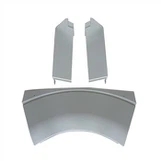
In addition to the above - mentioned joining methods, specialized profiles can also be used to facilitate the joining process. For example, FRP Pultruded Dogbone And Corner Profile and FRP Pultruded Dogbone Profile can be used to connect profiles at corners or to provide additional reinforcement at the joints. These profiles are designed to fit snugly with the standard pultruded profiles and can be joined using mechanical fastening or adhesive bonding.
Best Practices for Joining FRP Pultruded Profiles
- Design Considerations: When designing a structure using FRP pultruded profiles, it's important to consider the joining method early in the design process. The design should take into account factors such as the load - bearing requirements, the environmental conditions, and the ease of assembly and maintenance.
- Quality Control: Whether using mechanical fastening, adhesive bonding, or welding, it's important to perform quality control checks during the joining process. This includes checking the alignment of the profiles, the tightness of the fasteners, the quality of the adhesive bond, or the integrity of the weld.
- Thermal Expansion and Contraction: FRP materials have different coefficients of thermal expansion compared to other materials such as steel or concrete. It's important to allow for some movement at the joints to accommodate thermal expansion and contraction. This can be achieved by using flexible fasteners or by designing the joints with some clearance.
Conclusion
Joining FRP pultruded profiles is a critical step in the construction of structures using these materials. By understanding the different joining methods, selecting the appropriate method for the application, and following best practices, you can ensure a strong, durable, and reliable joint. Whether you're a contractor, an engineer, or a DIY enthusiast, these techniques will help you make the most of FRP pultruded profiles in your projects.
As a trusted FRP Pultruded Profile supplier, we offer a wide range of high - quality profiles, including Fiberglss Bar FRP 25x25mm Square Bar, and we're committed to providing our customers with the best products and technical support. If you're interested in purchasing FRP pultruded profiles or have any questions about joining them, please don't hesitate to contact us for further discussion and procurement negotiation.
References
- "Fiber - Reinforced Polymer Composites in Civil Engineering" by A. H. Nilson and A. M. Khalifa
- "Pultrusion Technology" by Peter F. Bruins
- Manufacturer's technical data sheets for FRP pultruded profiles and adhesives