Hey there! As a supplier of CNC machining parts, I often get asked about the fatigue life of these components. It's a super important topic, and I'm stoked to share some insights with you.
First off, let's talk about what fatigue life actually means. In simple terms, the fatigue life of a CNC machining part is the amount of time or the number of cycles it can withstand before it fails due to repeated loading. You see, when a part is in use, it's not always under a constant load. There are often variations in stress, and these cyclic loads can cause tiny cracks to form over time. Eventually, these cracks can grow and lead to the part breaking down.
Now, a bunch of factors can affect the fatigue life of CNC machining parts. Material properties are a big deal. Different materials have different fatigue resistance. For instance, some highly alloyed steels are known for their excellent fatigue strength. They can handle a lot more cycles before cracking compared to softer metals like aluminum. The way the material is heat - treated also plays a huge role. A proper heat treatment can improve the material's internal structure, making it more resistant to fatigue.
The surface finish of the part is another crucial factor. A rough surface has more stress concentrations. These are like weak spots where cracks are more likely to start. So, a smooth surface finish is generally better for fatigue life. During the CNC machining process, using sharp tools and the right cutting parameters can help achieve a good surface finish.
The design of the part itself also matters. Sharp corners, sudden changes in geometry, and uneven cross - sections can create stress concentrations. Designers need to be careful to avoid these features as much as possible. For example, using fillets at corners can distribute the stress more evenly and reduce the likelihood of crack initiation.
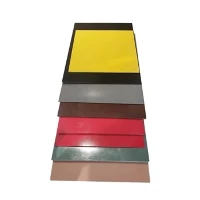
Let's take a look at some of our products and how these factors apply to them. We have the SMC Switch Cabinet CNC Machining Electrical Partition. This part is often used in electrical systems where it may be subjected to vibrations and electrical stresses. We use high - quality materials and ensure a smooth surface finish during machining. This helps to extend its fatigue life, so it can keep performing well in the long run.
Another product is the GPO 3 CNC Machining Custom Slot Wedge. These slot wedges are used in electrical motors and generators. They need to withstand repeated mechanical and electrical forces. By carefully choosing the GPO 3 material and optimizing the machining process, we enhance their fatigue resistance.
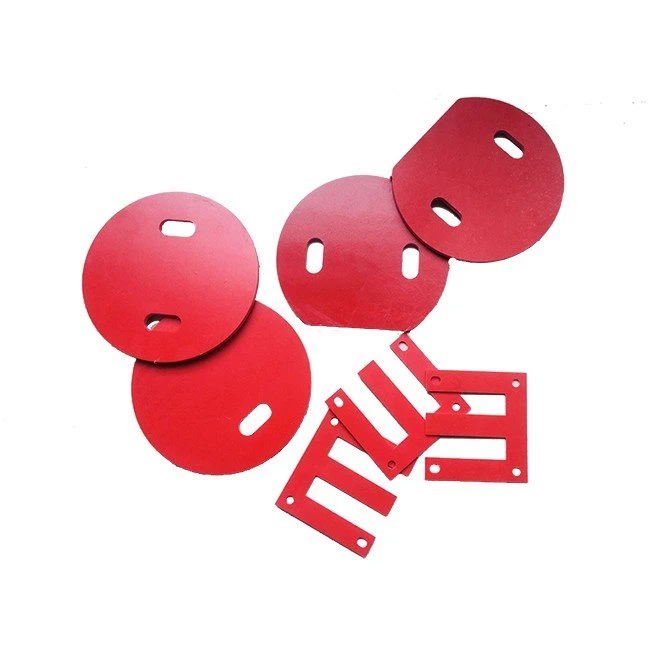
The UPGM203 CNC Machining Of Transformer Components is also an interesting product. Transformers are constantly under electrical and thermal stresses. Our UPGM203 components are designed and machined to have a long fatigue life. We pay close attention to the material properties, surface finish, and design details to ensure they can handle the tough operating conditions.
To determine the fatigue life of a CNC machining part, we use a combination of testing and simulation. We conduct fatigue tests in our lab, where we subject the parts to cyclic loads and measure how long they last. We also use computer - aided engineering (CAE) software to simulate the stress distribution and predict the fatigue life. These tools help us to optimize the design and manufacturing process of our parts.
It's important to note that specifying the right design parameters is crucial. If a customer doesn't provide clear requirements regarding the expected loads, operating conditions, and service environment, it becomes challenging to guarantee a specific fatigue life. That's why when we're working with clients, we always have in - depth discussions to understand their needs fully.
When it comes to improving the fatigue life of CNC machining parts, there are a few things we can do after the machining process. Shot peening is one technique. It involves bombarding the surface of the part with small spherical shot. This creates a compressive stress layer on the surface, which helps to prevent crack initiation. Another option is coating. Applying a suitable coating can protect the part from corrosion and wear, both of which can reduce the fatigue life.
Now, you might be wondering how you can make the most of the fatigue life of the CNC machining parts you purchase. Well, proper installation and maintenance are key. If a part is installed incorrectly, it can be subjected to uneven stresses, which will shorten its fatigue life. Regular maintenance, including cleaning, lubrication, and inspection, can also help to identify any potential issues early on and take corrective actions.

In conclusion, the fatigue life of CNC machining parts is influenced by many factors, from material properties to design and manufacturing processes. At our company, we're committed to producing high - quality parts with long fatigue lives. We use the latest technologies and best practices to ensure that our products meet or exceed our customers' expectations.
If you're looking for reliable CNC machining parts for your project, don't hesitate to get in touch. We'd be more than happy to discuss your requirements and provide you with the best solutions. Whether you need a single custom part or a large - scale production run, we've got you covered. Contact us today to start the conversation about getting the right CNC machining parts for your needs.
References
- "Mechanical Behavior of Materials" by Richard W. Hertzberg, Richard P. Vinci, and John F. Hertzberg
- "Machining Science and Technology" by P. K. Chattopadhyay