Are insulation sheets safe to use?
As a supplier of insulation sheets, I often get asked about the safety of these products. Insulation sheets play a crucial role in a wide range of industries, from electrical engineering to construction. Their primary function is to prevent the transfer of heat, electricity, or sound, but safety is always a top concern for our customers.
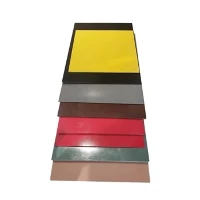
Let's start by understanding what insulation sheets are made of. There are various types of insulation sheets, each with its own set of materials and properties. One of the most common types is the GPO - 3 Brown Insulation Sheet. This sheet is typically made of a combination of glass fiber mat and polyester resin. The glass fiber provides strength and durability, while the polyester resin acts as a binder and offers good electrical insulation properties.
The safety of insulation sheets can be evaluated from different aspects, including electrical safety, fire safety, and environmental safety.
Electrical Safety
In electrical applications, insulation sheets are used to prevent the flow of electricity and protect against short - circuits. The GPO3 Glass Mat Polyester Laminate Sheet is designed to have high dielectric strength, which means it can withstand high voltages without conducting electricity. This is crucial in electrical equipment such as transformers, switchgear, and motors. When properly installed, these sheets can significantly reduce the risk of electrical shock and equipment damage.
However, it's important to note that the electrical safety of insulation sheets depends on their quality and proper installation. If the sheets are damaged or installed incorrectly, they may lose their insulating properties. For example, if the sheet has a crack or a cut, it can create a path for electricity to flow, increasing the risk of electrical hazards. Therefore, it's essential to source insulation sheets from a reliable supplier and ensure that they are installed by trained professionals.
Fire Safety
Fire safety is another critical aspect when considering the use of insulation sheets. Many insulation materials are designed to be fire - resistant. The Electrical Grade GPO - 3 Sheet For Arc Isolators has a high ignition temperature and low flammability. This means that it is less likely to catch fire and spread flames in case of an electrical arc or other heat sources.
In addition, some insulation sheets are treated with fire - retardant chemicals to enhance their fire - safety properties. These chemicals can slow down the combustion process and give people more time to evacuate in case of a fire. However, it's important to follow the manufacturer's instructions regarding the use and maintenance of these fire - retardant insulation sheets. Over time, the effectiveness of the fire - retardant treatment may decrease, so regular inspections are necessary.
Environmental Safety
The environmental impact of insulation sheets is also a growing concern. Some insulation materials may contain harmful chemicals such as asbestos, which has been linked to serious health problems like lung cancer and asbestosis. However, modern insulation sheets, such as the ones we supply, are made from safe and environmentally friendly materials.
The glass fiber used in our insulation sheets is non - asbestos and has a low environmental impact. The polyester resin is also formulated to be as eco - friendly as possible. Additionally, our manufacturing processes are designed to minimize waste and energy consumption.
When it comes to disposal, insulation sheets should be handled properly. In many cases, they can be recycled, which further reduces their environmental impact. However, it's important to follow local regulations regarding the disposal of insulation materials.
Other Safety Considerations
Apart from electrical, fire, and environmental safety, there are other factors to consider when using insulation sheets. For example, some insulation sheets may produce dust or fibers during installation or handling. These dust and fibers can be irritating to the skin, eyes, and respiratory system. Therefore, it's important to wear appropriate personal protective equipment (PPE) such as gloves, goggles, and masks when working with insulation sheets.


In addition, the mechanical properties of insulation sheets should also be considered. They need to be strong enough to withstand the mechanical stresses in their intended applications. For example, in some industrial settings, insulation sheets may be subject to vibrations, impacts, or pressure. If the sheets are not strong enough, they may break or crack, which can compromise their safety and performance.
Conclusion
In conclusion, insulation sheets can be safe to use when they are of high quality, properly installed, and maintained. Our company is committed to providing safe and reliable insulation sheets to our customers. We ensure that our products meet all relevant safety standards and regulations.
If you are in need of insulation sheets for your project, whether it's for electrical applications, construction, or other industries, we would be more than happy to assist you. Our team of experts can help you choose the right insulation sheet for your specific needs and provide you with all the necessary information regarding installation and maintenance.
Contact us today to start a discussion about your insulation sheet requirements. We look forward to working with you and providing you with the best insulation solutions.
References
- ASTM International. (Year). Standard Test Methods for Electrical Insulating Materials.
- National Fire Protection Association. (Year). Fire Code.
- Environmental Protection Agency. (Year). Guidelines for the Disposal of Insulation Materials.