Hey there! As a supplier of FRP L Beam Channel, I've been getting a lot of questions lately about whether our product can be used in bridge construction. So, I thought I'd take a few minutes to share my thoughts and insights on this topic.
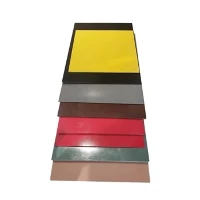
Let's start by understanding what FRP L Beam Channel is. FRP, or Fiber - Reinforced Polymer, is a composite material made up of fibers (usually glass or carbon) embedded in a polymer matrix. The L - Beam Channel shape is like an 'L', which provides a unique structural advantage. It's lightweight, corrosion - resistant, and has high strength - to - weight ratio. These properties make it an interesting candidate for various construction applications, including bridges.
Advantages of Using FRP L Beam Channel in Bridge Construction
Lightweight Nature
One of the biggest perks of FRP L Beam Channel is its light weight. Traditional bridge construction materials like steel and concrete are heavy. When building a bridge, transporting and installing heavy materials can be a real headache. It requires large and expensive machinery, and it can also put a lot of stress on the existing infrastructure during transportation.
With FRP L Beam Channel, the situation is different. Since it's so light, it can be easily transported using smaller vehicles. Installation is also a breeze. You can use less heavy - duty equipment, which not only cuts down on costs but also speeds up the construction process. For instance, in a project where time is of the essence, such as a temporary bridge for emergency use, the lightweight nature of FRP L Beam Channel can be a game - changer.
Corrosion Resistance
Bridges are often exposed to harsh environmental conditions, including moisture, saltwater (especially in coastal areas), and chemicals. Steel, which is commonly used in bridge construction, is prone to corrosion. Once corrosion starts, it can weaken the structure over time, leading to safety issues and costly maintenance.
FRP L Beam Channel, on the other hand, is highly resistant to corrosion. It won't rust or corrode when exposed to water, salt, or chemicals. This means that bridges built with FRP L Beam Channel will have a longer lifespan and require less maintenance. In the long run, it can save a significant amount of money for bridge owners.
High Strength - to - Weight Ratio
Despite being lightweight, FRP L Beam Channel has a high strength - to - weight ratio. This means that it can withstand a lot of load relative to its weight. In bridge construction, this is crucial as bridges need to support the weight of vehicles, pedestrians, and sometimes even heavy equipment.
The high strength - to - weight ratio of FRP L Beam Channel allows for more flexible design options. Engineers can create bridges with longer spans or more complex shapes without having to worry about the excessive weight of the materials. It also means that the overall structure of the bridge can be more efficient and cost - effective.
Challenges of Using FRP L Beam Channel in Bridge Construction
Cost
One of the main drawbacks of using FRP L Beam Channel in bridge construction is the cost. Compared to traditional materials like steel and concrete, FRP products are generally more expensive. The manufacturing process of FRP is more complex, and the raw materials can also be costly.
However, it's important to look at the long - term costs. As mentioned earlier, FRP L Beam Channel has a longer lifespan and requires less maintenance. So, while the initial investment may be higher, the total cost of ownership over the life of the bridge could be lower.
Design and Engineering Knowledge
Another challenge is the lack of widespread design and engineering knowledge about FRP materials in the bridge construction industry. Most engineers are more familiar with traditional materials like steel and concrete. Designing a bridge with FRP L Beam Channel requires a different set of skills and knowledge.
There are also fewer design codes and standards available for FRP in bridge construction compared to traditional materials. This can make it difficult for engineers to ensure that the bridge meets all the necessary safety and performance requirements.
Fire Resistance
FRP materials generally have lower fire resistance compared to steel and concrete. In the event of a fire, FRP can melt or burn, which can compromise the structural integrity of the bridge. However, there are ways to improve the fire resistance of FRP, such as using fire - retardant coatings or additives.
Real - World Applications
There have been some successful applications of FRP materials in bridge construction. For example, some small pedestrian bridges have been built using FRP components, including L Beam Channels. These bridges have proven to be durable and cost - effective in the long run.
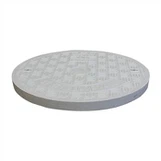
In addition to bridges, FRP products have also found their way into other construction applications. For example, you might be interested in checking out our SMC Molding Manhole Cover, SMC U Beam Channel Profile, and GPO - 3 L Profile Angle Profile. These products also offer similar advantages in terms of lightweight and corrosion resistance.
Conclusion
So, can FRP L Beam Channel be used in the construction of bridges? The answer is yes, but with some considerations. The lightweight nature, corrosion resistance, and high strength - to - weight ratio make it a promising material for bridge construction. However, the higher cost, lack of design knowledge, and fire resistance issues need to be addressed.


As a supplier of FRP L Beam Channel, I'm confident that our product has a lot of potential in the bridge construction industry. We're constantly working on improving the quality and performance of our products, and we're also collaborating with engineers and researchers to develop better design solutions.
If you're involved in bridge construction or any other construction project and you're interested in learning more about our FRP L Beam Channel, I encourage you to reach out. We can discuss your specific needs and see if our product is the right fit for your project. Whether it's a small pedestrian bridge or a large - scale highway bridge, we're here to help you find the best solution.
References
- Bank, L. C. (2006). Composites for Construction: Structural Design with FRP Materials. Wiley.
- Nawy, E. G. (2006). Concrete Construction Engineering Handbook. CRC Press.
- Hollaway, L. C. (2010). Fibre - Reinforced Polymer Composites for Civil Engineering Applications. Woodhead Publishing.