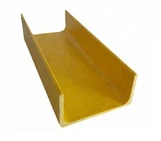
SMC, or Sheet Molding Compound, is a composite material that has gained significant traction in various industries, including the sports product sector. As a dedicated SMC Molding Sports Product supplier, I've witnessed firsthand how SMC molding can profoundly influence the rebound performance of sports products. In this blog, I'll delve into the science behind SMC molding and its impact on sports product rebound, supported by industry knowledge and real - world examples.
Understanding SMC Molding
SMC is a ready - to - mold glass - fiber reinforced polyester material. It consists of a thermosetting resin, usually polyester or vinyl ester, chopped glass fibers, fillers, and various additives. The manufacturing process of SMC involves spreading the resin mixture onto a carrier film, adding the chopped glass fibers, and then covering it with another film. This "sandwich" is then compacted and stored until it's ready for molding.
The molding process itself is a key factor in determining the final properties of the SMC product. Compression molding is the most common method used for SMC. In compression molding, the SMC material is placed in a heated mold cavity. Under high pressure and temperature, the material flows to fill the mold, and the resin undergoes a chemical reaction called curing. This curing process transforms the SMC from a soft, pliable material into a rigid, strong product with a defined shape.


How SMC Molding Affects Rebound Performance
Material Properties
One of the primary ways SMC molding influences rebound performance is through the material properties it imparts to sports products. The combination of the resin matrix and glass fibers in SMC creates a material with high stiffness and strength. When a sports product made from SMC is subjected to an impact, like a ball hitting a SMC - molded sports equipment surface, the stiffness of the material allows it to deform elastically to a certain extent.
Elastic deformation is crucial for rebound performance. Unlike plastic deformation, where the material does not return to its original shape after the load is removed, elastic deformation enables the material to store energy during the impact and then release it as the material returns to its original form. This energy release is what causes the object to rebound. The high strength of SMC also ensures that the material can withstand repeated impacts without significant damage, maintaining its rebound performance over time.
Densification and Homogeneity
The compression molding process used in SMC manufacturing results in a highly densified and homogeneous product. During molding, the high pressure forces the SMC material to fill the mold completely, eliminating voids and air pockets. This densification leads to a more uniform distribution of the resin and fibers throughout the product.
A homogeneous structure is essential for consistent rebound performance. In a sports product, if the material has inconsistent density or uneven fiber distribution, the rebound may be unpredictable. For example, a section with more voids may absorb more energy during an impact, reducing the amount of energy available for rebound. The homogeneous nature of SMC - molded sports products ensures that the energy transfer during an impact is consistent across the entire surface, resulting in a more reliable and predictable rebound.
Design Flexibility
SMC molding offers a high degree of design flexibility. Manufacturers can create complex shapes and geometries that are optimized for rebound performance. For instance, in the design of a sports racket, the shape of the frame can be precisely engineered to enhance the transfer of energy from the racket to the ball. By using SMC molding, it is possible to create thin - walled sections in areas where flexibility is needed and thicker, more rigid sections for structural support.
This design flexibility also allows for the integration of additional features that can improve rebound. For example, manufacturers can incorporate channels or grooves on the surface of a SMC - molded sports product to manipulate the airflow or the way the ball interacts with the surface. These features can have a significant impact on the rebound angle and velocity, giving athletes more control over the game.
Real - World Examples of SMC - Molded Sports Products with Enhanced Rebound
Sports Flooring
SMC - molded sports flooring is an excellent example of how SMC can improve rebound performance. In sports like basketball or volleyball, the rebound of the ball from the floor is crucial for the game. SMC flooring provides a consistent and high - quality rebound due to its uniform structure and material properties.
The stiffness of SMC ensures that the floor deforms elastically when the ball hits it, storing and releasing energy efficiently. This results in a more predictable bounce, allowing players to anticipate the ball's movement better. Additionally, the durability of SMC means that the flooring can withstand heavy use over an extended period without losing its rebound performance.
Sports Equipment Frames
Frames for sports equipment such as bicycles, hockey sticks, and tennis rackets can also benefit from SMC molding. In the case of a tennis racket, the SMC - molded frame can be designed to have the optimal balance of stiffness and flexibility. The stiffness helps to transfer energy from the player's swing to the ball, while the flexibility allows the racket to deform slightly during impact, increasing the contact time between the racket and the ball.
This increased contact time can enhance the control and power of the shot. The racket's ability to rebound the ball effectively is also improved, as the energy stored in the deformed frame is released back into the ball, resulting in a stronger and more accurate return.
Comparing SMC with Other Materials
When compared to traditional materials used in sports products, such as wood, metal, or some plastics, SMC offers several advantages in terms of rebound performance.
Wood
Wood has been a popular material in sports products for a long time, but it has some limitations. Wood is a natural material, and its properties can vary depending on the type of wood, its grain pattern, and the environmental conditions. This variability can lead to inconsistent rebound performance. Additionally, wood is more prone to damage from moisture and impacts, which can further degrade its rebound characteristics over time.
In contrast, SMC is a synthetic material with consistent properties. It is not affected by moisture in the same way as wood, and its strength and stiffness can be precisely controlled during the manufacturing process. This results in a more reliable and consistent rebound performance.
Metal
Metal is known for its strength, but it can be heavy and may not have the ideal elastic properties for some sports applications. Metal sports products can also be prone to corrosion, which can affect their performance and durability.
SMC, on the other hand, is lightweight yet strong. Its elastic deformation properties are well - suited for rebound applications, and it is resistant to corrosion. This makes SMC a more attractive option for sports products where weight, durability, and rebound performance are all important factors.
Applications in Different Sports
Tennis
In tennis, SMC - molded components can be used in tennis rackets and court surfaces. As mentioned earlier, the design flexibility of SMC allows for the creation of racket frames that optimize energy transfer and rebound. SMC - molded court surfaces can provide a consistent bounce, which is essential for fair play and accurate shot placement. Players can rely on the predictable rebound to improve their game strategy and performance.
Basketball
Basketball hoops and backboards can benefit from SMC molding. The high strength and durability of SMC ensure that the backboard can withstand the impact of the ball and players hanging on the rim. The rebound performance of the backboard is also enhanced by the elastic properties of SMC, allowing for a more consistent and accurate bounce of the ball off the backboard.
Conclusion
As a SMC Molding Sports Product supplier, I am confident in the benefits that SMC molding brings to the rebound performance of sports products. The material properties, densification, design flexibility, and other factors associated with SMC molding all contribute to creating sports products with reliable, consistent, and enhanced rebound capabilities.
If you are interested in exploring how SMC - molded sports products can improve your sports equipment or facilities, I encourage you to [initiate a conversation about procurement]. Whether you are looking for SMC Molding Manhole Cover, Carbon Sheet Molding Compound, or SMC H Profile for your specific sports applications, our team is ready to assist you. We can provide customized solutions tailored to your needs and help you experience the superior rebound performance that SMC - molded products offer.
References
- Strong, A. B. (2006). Plastics Materials and Processing. Pearson Prentice Hall.
- Callister, W. D., & Rethwisch, D. G. (2011). Materials Science and Engineering: An Introduction. Wiley.
- Milewski, J. V., & Carley, J. F. (1996). Engineering Thermoplastics: Properties and Applications. Marcel Dekker.