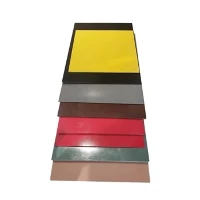
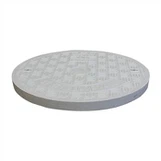
Hey there, automotive enthusiasts and industry insiders! I'm stoked to share some insights about the amazing world of SMC molded automotive parts. As a supplier in the SMC Molding Automotive game, I've seen firsthand the incredible strength and versatility of these components. So, let's dive right in and explore what makes SMC molded automotive parts stand out from the crowd.
First off, what exactly is SMC? Well, SMC stands for Sheet Molding Compound. It's a composite material that consists of a mixture of thermosetting resin, chopped glass fibers, fillers, and various additives. This unique combination gives SMC its remarkable properties, making it a popular choice for a wide range of applications, including automotive parts.
One of the key strengths of SMC molded automotive parts is their exceptional strength-to-weight ratio. You know how important it is to keep vehicles lightweight without sacrificing durability, right? SMC delivers on both fronts. The chopped glass fibers in the SMC provide excellent reinforcement, making the parts incredibly strong and resistant to deformation. At the same time, the low density of the material helps to reduce the overall weight of the vehicle, leading to improved fuel efficiency and better performance.
Another great thing about SMC is its high corrosion resistance. Automotive parts are constantly exposed to harsh environmental conditions, including moisture, salt, and chemicals. Over time, these elements can cause traditional metal parts to rust and corrode, leading to structural damage and reduced lifespan. SMC, on the other hand, is highly resistant to corrosion, making it an ideal choice for parts that are exposed to the elements, such as body panels, bumpers, and underbody components.
In addition to its strength and corrosion resistance, SMC also offers excellent dimensional stability. This means that SMC molded parts maintain their shape and size even under extreme temperature and humidity conditions. This is crucial for automotive applications, where precise fit and alignment are essential for proper functioning. With SMC, you can be confident that your parts will fit perfectly and perform reliably, no matter what the weather or driving conditions are like.
SMC also has excellent electrical insulation properties, which makes it a great choice for parts that require electrical isolation. For example, SMC can be used to manufacture electrical enclosures, battery trays, and other components that need to protect sensitive electrical systems from short circuits and other electrical hazards.
Now, let's talk about some specific applications of SMC molded automotive parts. One of the most common uses of SMC in the automotive industry is for body panels. SMC body panels offer a number of advantages over traditional metal panels, including better design flexibility, improved aerodynamics, and reduced weight. They can also be molded into complex shapes, which allows for more creative and stylish vehicle designs.
Another popular application of SMC is for bumpers. SMC bumpers are strong, lightweight, and impact-resistant, making them an ideal choice for protecting vehicles in the event of a collision. They can also be designed to absorb and dissipate energy, reducing the risk of damage to the vehicle and its occupants.
SMC is also used in the manufacturing of underbody components, such as engine covers, oil pans, and transmission housings. These parts are exposed to high temperatures, vibrations, and mechanical stresses, making them prone to wear and tear. SMC's high strength, heat resistance, and dimensional stability make it an excellent choice for these applications, ensuring that the parts can withstand the harsh conditions of the engine compartment.
In addition to automotive applications, SMC also has a wide range of other uses. For example, it can be used to manufacture SMC Cable Tray, which are used to support and protect electrical cables in commercial and industrial buildings. SMC cable trays are lightweight, strong, and corrosion-resistant, making them a popular choice for a variety of applications.
SMC can also be used to produce GPO-3 U Beam Channel Profile, which are used in the construction of electrical enclosures, switchgear, and other electrical equipment. GPO-3 U beam channel profiles are made from a high-performance composite material that offers excellent electrical insulation properties, mechanical strength, and flame resistance.


And let's not forget about SMC Molding Sports Product. SMC is used to manufacture a variety of sports equipment, including helmets, protective gear, and sports car components. The high strength, lightweight, and impact-resistant properties of SMC make it an ideal choice for these applications, ensuring that athletes and sports enthusiasts can perform at their best while staying safe.
As you can see, SMC molded automotive parts offer a wide range of benefits, including high strength, lightweight, corrosion resistance, dimensional stability, and electrical insulation properties. These benefits make SMC an ideal choice for a variety of automotive applications, as well as other industries.
If you're in the market for high-quality SMC molded automotive parts, I'd love to hear from you. As a leading supplier in the industry, we have the expertise and experience to provide you with the best products and services. Whether you need custom-designed parts or standard off-the-shelf components, we can help. So, don't hesitate to reach out and let's start a conversation. I'm looking forward to working with you to take your automotive projects to the next level.
References:
- "Sheet Molding Compound (SMC): A Versatile Composite Material" - Composites World
- "Automotive Applications of Sheet Molding Compound (SMC)" - Society of Plastics Engineers
- "Advantages of SMC in Automotive Manufacturing" - Automotive Engineering International