Hey there! As a supplier of CNC machining parts, I often get asked about the wear resistance of these parts. So, let's dive right into it and explore what wear resistance really means in the context of CNC machining parts.
First off, wear resistance is all about how well a part can withstand the forces and conditions that cause it to wear down over time. In CNC machining, parts are subjected to various types of wear, such as abrasion, adhesion, and fatigue. Abrasion occurs when two surfaces rub against each other, causing material to be removed. Adhesion happens when two surfaces stick together and then separate, taking some material with them. Fatigue wear is caused by repeated stress and strain on the part, which can lead to cracks and eventually failure.
The wear resistance of CNC machining parts depends on several factors, including the material used, the machining process, and the surface finish. Let's take a closer look at each of these factors.
Material Selection
The choice of material is crucial when it comes to wear resistance. Different materials have different properties that affect their ability to resist wear. For example, metals like steel and aluminum are known for their high strength and hardness, which make them good choices for parts that need to withstand heavy loads and abrasion. On the other hand, plastics and composites can offer good wear resistance in certain applications, especially when they are reinforced with fibers or fillers.
As a supplier, we offer a wide range of materials for CNC machining, including stainless steel, titanium, brass, and various plastics. Each material has its own unique properties, and we work closely with our customers to select the best material for their specific application.
Machining Process
The machining process also plays a significant role in the wear resistance of CNC machining parts. The way a part is machined can affect its surface finish, which in turn can impact its wear resistance. For example, a smooth surface finish can reduce friction and wear, while a rough surface finish can increase the likelihood of abrasion and adhesion.
At our company, we use state-of-the-art CNC machining equipment and techniques to ensure that our parts are machined to the highest standards. We pay close attention to the cutting parameters, such as the cutting speed, feed rate, and depth of cut, to optimize the machining process and achieve the best possible surface finish.
Surface Finish
The surface finish of a CNC machining part is another important factor that affects its wear resistance. A smooth surface finish can reduce friction and wear, while a rough surface finish can increase the likelihood of abrasion and adhesion. There are several ways to improve the surface finish of a part, including polishing, grinding, and coating.
We offer a variety of surface finishing options for our CNC machining parts, including anodizing, plating, and powder coating. These finishes not only improve the wear resistance of the parts but also enhance their appearance and corrosion resistance.
Examples of Wear-Resistant CNC Machining Parts
To give you a better idea of the wear resistance of CNC machining parts, let's take a look at some examples.


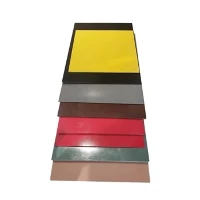
- SMC Custom Slot Wedge CNC Machining: SMC Custom Slot Wedge CNC Machining is a process that involves machining custom slot wedges from SMC (Sheet Molding Compound) material. SMC is a composite material that offers excellent wear resistance, as well as high strength and stiffness. These slot wedges are commonly used in electrical and electronic applications, where they need to withstand high temperatures and mechanical stress.
- CNC Machining Of UPGM203 Switchgear Components: CNC Machining Of UPGM203 Switchgear Components is a process that involves machining switchgear components from UPGM203 material. UPGM203 is a high-performance thermosetting plastic that offers excellent wear resistance, as well as good electrical insulation properties. These switchgear components are commonly used in electrical power distribution systems, where they need to withstand high voltages and currents.
- CNC Machining Of GPO-3 Switchgear Components: CNC Machining Of GPO-3 Switchgear Components is a process that involves machining switchgear components from GPO-3 material. GPO-3 is a glass-reinforced polyester laminate that offers excellent wear resistance, as well as good mechanical and electrical properties. These switchgear components are commonly used in electrical power distribution systems, where they need to withstand high temperatures and mechanical stress.
Why Choose Our CNC Machining Parts?
As a supplier of CNC machining parts, we are committed to providing our customers with high-quality, wear-resistant parts that meet their specific needs. Here are some reasons why you should choose our CNC machining parts:
- High-Quality Materials: We use only the highest quality materials for our CNC machining parts, ensuring that they are durable and wear-resistant.
- Advanced Machining Technology: We use state-of-the-art CNC machining equipment and techniques to ensure that our parts are machined to the highest standards.
- Customization Options: We offer a wide range of customization options for our CNC machining parts, allowing you to get the exact parts you need for your application.
- Competitive Pricing: We offer competitive pricing for our CNC machining parts, ensuring that you get the best value for your money.
- Excellent Customer Service: We are committed to providing our customers with excellent customer service, ensuring that you have a positive experience working with us.
Contact Us for Your CNC Machining Needs
If you are looking for high-quality, wear-resistant CNC machining parts, look no further! We are a leading supplier of CNC machining parts, and we would be happy to help you with your project. Whether you need a single part or a large production run, we have the expertise and resources to meet your needs.
To learn more about our CNC machining services and to get a quote for your project, please contact us today. We look forward to working with you!
References
- "Wear Resistance of Materials" by ASM International
- "CNC Machining Handbook" by Peter Z. Blanchard
- "Materials Science and Engineering: An Introduction" by William D. Callister Jr.