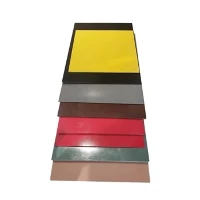
When it comes to FRP (Fiberglass Reinforced Plastic) automotive enclosures, choosing the right paint is crucial. As a supplier of FRP automotive enclosures, I understand the importance of this decision and want to share some insights on what kind of paint is suitable for these enclosures.
Understanding the Requirements of FRP Automotive Enclosures
FRP automotive enclosures are used in a variety of automotive applications, from protecting sensitive components to enhancing the overall aesthetic of the vehicle. These enclosures need to withstand harsh environmental conditions, including exposure to sunlight, moisture, and chemicals. Therefore, the paint used on FRP automotive enclosures must have certain properties to ensure long - term durability and performance.
Resistance to UV Radiation
One of the primary challenges for FRP automotive enclosures is the damage caused by UV radiation. Prolonged exposure to sunlight can cause the paint to fade, crack, and peel. A suitable paint should have excellent UV resistance to maintain its color and finish over time. For example, polyurethane - based paints are known for their good UV resistance. They form a tough, protective layer that can shield the FRP surface from the harmful effects of the sun.
Chemical Resistance
Automotive enclosures may come into contact with various chemicals, such as fuels, oils, and cleaning agents. The paint should be able to resist these chemicals without being damaged. Epoxy - based paints are often a good choice for their high chemical resistance. They can form a strong bond with the FRP surface and provide a barrier against chemical corrosion.
Adhesion
Good adhesion is essential for the paint to stay on the FRP surface. The paint should be able to adhere well to the FRP material, even under vibration and temperature changes. Specialized primers can be used to improve the adhesion of the paint to the FRP. These primers are designed to create a strong bond between the FRP and the top - coat paint.
Flexibility
FRP materials can expand and contract with temperature changes. The paint should be flexible enough to accommodate these movements without cracking. Acrylic - based paints are often a good option as they offer a certain degree of flexibility while still providing good protection.
Types of Paints Suitable for FRP Automotive Enclosures
Polyurethane Paints
Polyurethane paints are widely used for FRP automotive enclosures due to their excellent UV resistance, hardness, and durability. They can provide a high - gloss finish that enhances the appearance of the enclosure. Polyurethane paints are also resistant to abrasion, making them suitable for enclosures that may be subject to physical contact. For example, in a racing car, the FRP enclosure may be exposed to high - speed air flow and potential impacts, and polyurethane paint can withstand these conditions.
Epoxy Paints
Epoxy paints are known for their high chemical resistance and strong adhesion. They are often used in industrial applications where the enclosure needs to be protected from harsh chemicals. Epoxy paints can form a thick, protective layer on the FRP surface, preventing corrosion and damage. However, they may be less flexible than some other types of paints, so they need to be used in combination with a flexible primer or top - coat in some cases.
Acrylic Paints
Acrylic paints are a popular choice for their ease of application and good flexibility. They can be used to achieve a variety of finishes, from matte to high - gloss. Acrylic paints are also relatively inexpensive compared to some other types of paints. They are suitable for enclosures that do not require extremely high chemical or UV resistance but still need a good - looking and durable finish.
Considerations for Paint Application
In addition to choosing the right type of paint, proper paint application is also crucial for the performance of the FRP automotive enclosure.
Surface Preparation
Before applying the paint, the FRP surface must be properly prepared. This includes cleaning the surface to remove any dirt, grease, or contaminants. Sanding the surface can also improve the adhesion of the paint. A smooth and clean surface is essential for a good paint job.
Primer Application
Using a primer is highly recommended. A primer can improve the adhesion of the top - coat paint and provide additional protection to the FRP surface. Different types of primers are available depending on the type of paint and the FRP material.
Application Method
The paint can be applied using various methods, such as spraying, brushing, or rolling. Spraying is often the preferred method for a smooth and even finish, especially for large - scale production. However, brushing or rolling may be more suitable for small - scale or touch - up jobs.
Related Products and Their Applications
As a supplier of FRP automotive enclosures, we also offer related products that are made of similar materials. For example, GPO - 3 L Profile Angle Profile is a useful product for structural support in automotive enclosures. It is made of a high - performance material that can provide strength and stability.
SMC Cable Tray is another product that can be used in automotive applications. It is designed to protect cables and wiring in the vehicle, and it is made of SMC (Sheet Molding Compound), which has good mechanical and electrical properties.
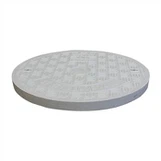
SMC Molding Manhole Cover is also a relevant product. Although it may not be directly related to automotive enclosures, it shows the versatility of SMC materials. These products share some similarities in terms of material properties and the need for proper protection, which is also applicable to FRP automotive enclosures.
Conclusion
Choosing the right paint for FRP automotive enclosures is a complex decision that requires considering various factors such as UV resistance, chemical resistance, adhesion, and flexibility. Polyurethane, epoxy, and acrylic paints are all viable options, each with its own advantages. Proper surface preparation and paint application are also essential for achieving a high - quality finish and long - term performance.
If you are in the market for FRP automotive enclosures or have questions about the suitable paint for your specific application, we are here to help. Our team of experts can provide you with detailed information and guidance. We look forward to discussing your requirements and working with you to find the best solutions for your automotive enclosure needs.


References
- "Handbook of Fiberglass and Advanced Plastics Composites" by Don Askeland and Pradeep Fulay
- "Paint and Coating Technology: Principles and Practice" by Zeno W. Wicks, Jr., Frank N. Jones, and S. Peter Pappas