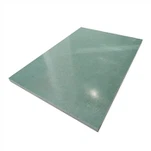
Description
G11 material is a high-performance epoxy composite material composed of high-quality epoxy resin and curing agent. It has the characteristics of high purity, excellent mechanical properties, good weather resistance and corrosion resistance, and is widely used in fields such as power equipment, aerospace, electronic communication, etc. Specifically, G11 epoxy composite material achieves high density, high strength, and excellent insulation performance through specific manufacturing processes, becoming an indispensable high-performance material in modern industry.
The difference between G11 and G10 materials
1. Composition difference: G11 material and G10 material have different compositions. G11 epoxy composite materials are mainly made by impregnating imported electrical grade alkali free glass fiber cloth with imported epoxy resin, and adding corresponding imported flame retardants, adhesives, and other additives through hot pressing. The G10 material is made by immersing glass cloth or glass fiber layer in epoxy resin, and then heating and compressing it. Although both use epoxy resin and glass fiber, there are differences in specific formulas and processing techniques, resulting in different performance characteristics of the final product.
2. Performance characteristics: Due to differences in composition, G11 and G10 also have their own strengths in performance. G11 epoxy board has the characteristics of diverse forms, easy curing, strong adhesion, low shrinkage, and excellent mechanical properties. Especially its mechanical properties, such as tensile strength, bending strength, etc., are excellent and can withstand large loads without easily breaking. In addition, G11 also has high electrical breakdown resistance and dielectric properties, which can maintain good electrical insulation in harsh environments such as high temperature and humidity. In contrast, G10 material also has higher mechanical and insulation properties, but its specific performance indicators may be slightly inferior to G11 due to differences in manufacturing processes and formulations.
In summary, although both G11 material and G10 material are high-performance composite materials based on epoxy resin and glass fiber, they have certain differences in composition, performance, and application fields. The selection of suitable materials depends on specific application requirements and performance indicators. With the continuous advancement of technology and rapid development of industry, we believe that these two materials will demonstrate their unique value and potential in more fields.
1. Our Production

Raw material preparation: building a solid production foundation
Epoxy sheet production uses epoxy resin and glass fiber cloth as the core raw materials. Epoxy resin is selected based on product performance, and high insulation resin is required for electrical applications; Fiberglass cloth should be clean and compatible in specifications. At the same time, auxiliary materials such as curing agents are proportionally mixed to make resin adhesive solution. The accuracy of the adhesive solution ratio directly affects the subsequent performance of the epoxy board. Improper ratio may lead to incomplete curing or performance degradation.
Glass fiber cloth impregnation: achieving the fusion of fibers and resins
Immerse the fiberglass cloth into the prepared adhesive solution, which can be achieved through mechanical transmission or manual operation. The key to controlling immersion time and speed is that if the time is too short, the glue solution will not penetrate sufficiently, and if the speed is too fast, it can easily cause uneven distribution of the glue solution. It is necessary to ensure that the adhesive fully penetrates the fiber gaps, tightly bonding the two and providing a good foundation for the formation of the sheet. This process has a significant impact on the strength and insulation of the sheet.
Stacking: shaping the performance of the sheet
The impregnated glass fiber cloth is stacked in the specified layers and directions. The number of layers determines the thickness and strength of the sheet, and increasing the number of layers enhances the load-bearing capacity of the sheet; The fiber direction affects the mechanical properties, and the tensile strength is higher along the fiber direction. When stacking, it is necessary to eliminate bubbles and wrinkles to ensure flatness, otherwise it will reduce the quality of the sheet, resulting in insufficient local strength or appearance defects.
Hot pressing molding: endowing the board with the final form
The stacked material is molded and solidified under high temperature and high pressure. High temperature triggers cross-linking and curing of epoxy resin, firmly bonding fibers together; High pressure eliminates internal voids and enhances density and strength. Different types of epoxy sheet have different hot pressing parameters, such as FR-4 epoxy sheet, which is usually controlled at a temperature of 170-180, a pressure of 8-12 MPa, and pressed for 2-3 hours. Parameter deviation can cause unstable performance of the sheet, such as insufficient temperature for incomplete curing and insufficient pressure for loose sheet.
Demoulding: Be careful to protect the finished product
After the epoxy resin is completely cured, cool the mold before demolding. Caution should be exercised during demolding operations to avoid damaging the sheet, otherwise edge damage, surface scratches, and other issues may occur, affecting product quality and performance. Suitable release agents can be used to assist in reducing adhesion between the sheet and the mold.
Processing: Requirements met
After demolding, the epoxy sheet is cut, polished, drilled, and processed according to actual needs. Cutting utilizes equipment such as sawing machines and laser cutting machines to accurately control size and shape; Polishing makes the surface smooth and flat, enhancing appearance and adaptability; Drilling holes facilitates the installation of connectors. The processing accuracy affects the assembly and use effect of the product, such as drilling deviation, which may cause the components to not be installed properly.
2. Production Description

|
Standards |
IEC Grade: EPGC201 NEMA: G10 |
|
Size |
1020x1220mm;1220x2040mm;1220x2440mm or Customized size |
|
Color |
Green,Yellow,Black or Customized color |
|
Production Capacity |
Max 300tons per month |
|
Appearance |
Surface is smooth,flat without bubbles and cracks |
|
Packing |
Wrapped with PP film outside and pallets with IPPC marks |
3. Application
Application areas: There are also certain differences between G11 material and G10 material in their application areas. Due to its excellent mechanical and electrical properties, G11 epoxy board is often used to manufacture various electrical equipment and components that require high mechanical strength and insulation performance, such as high-voltage switchgear, insulation gaskets, insulation partitions, etc. G10 material is more commonly used in applications that require high durability and waterproofness, such as the production of everyday items such as kitchen knife handles.
4. General Applications:

5. Technical Data Sheet
|
No. |
Testing Item |
Measurement |
Requirement |
Result |
Testing Methord |
|
|
1 |
Flexural strength perpendicular |
MPa |
≥340 |
520 |
GB/T 1303.2-2009 |
|
|
2 |
Tensile strength(MD) |
MPa |
≥314 |
440 |
||
|
3 |
Tensile strength(TD) |
MPa |
≥216 |
332 |
GB/T 1303.2-2009 | |
|
4 |
Charpy impact strength parallel |
kJ/m² |
≥33 |
46 |
GB/T 1303.2-2009 | |
|
5 |
Electric strength perpendicular to laminations (at 90℃ ±2℃ in 25# transformer oil) |
kV/mm |
≥11.8 |
13.8 |
GB/T 1303.2-2009 | |
|
6 |
Breakdown voltage parallel to laminations (at 90℃ ±2℃ in 25# transformer oil) |
kV |
≥35 |
100 |
||
|
7 |
Relative permittivity(50Hz) |
- |
≤5.5 |
5.4 |
||
|
8 |
Insulation resistance after immersion in water (Taper pin electrodes 25.0mm gap) |
MΩ |
≥5.0x10⁴ |
8.1x10⁶ | GB/T 1303.2-2009 | |
|
9 |
Water Absorption |
% |
≤0.71 |
0.04 |
GB/T 1303.2-2009 | |
|
10 |
Rockwell hardness |
- |
≥69 |
M104 |
GB/T 3398.2-2008 | |
|
11 |
Glass transition temperature(DSC methord) |
℃ |
≥110 |
113 |
GB/T 22567-2008 | |
|
12 |
Adhesion strength |
N |
≥5600 |
8300 |
GB/T 1303.2-2009 | |
|
13 |
Thermal stability(200℃±2℃/1h) |
No delamination No bubbles,cracking |
Meet |
1.75 |
Visual Inspection |
|
6. Our Certificate
We have passed ISO9001 Quality Management Mystem, ISO14001 Environmental Management System, and our EPOXY Insulation Sheet have certified by RoHS and Reach certification.

7.Our Overseas Exhibition
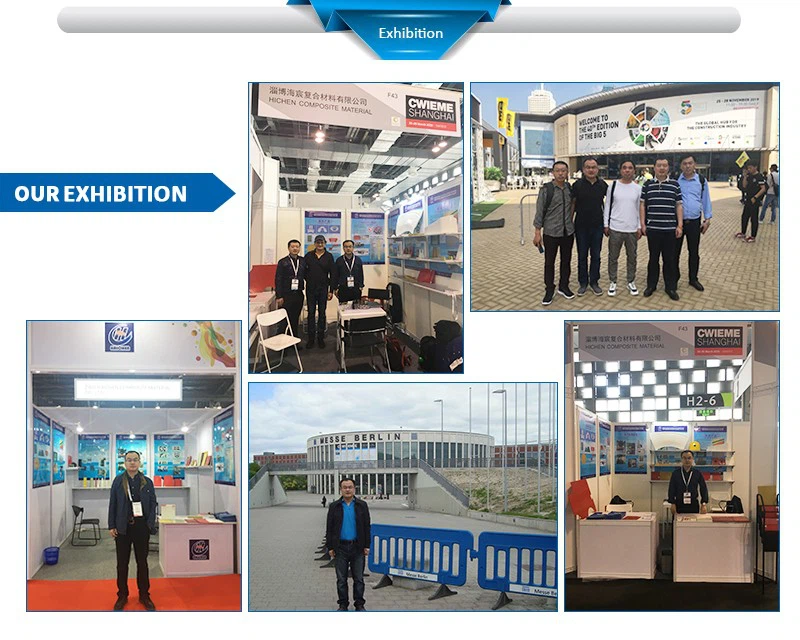
We actively participated in foreign related industry exhibitions, such CWIEME in Germany and Shanghai,AEC in France,Big5 in Dubai and Elecrama in India to bring our customers the best insulation products.
8. Packing and Delivery
We provide our customers with strong kraft paper and belt to ensure the safety of packing,also use PP film wrapped outside to avoid the damage and moisture in transit. We use wooden pallets with IPPC marks and fumigation certificate, which fully meet the importing countries crequirements.

Hot Tags: g11 green epoxy glass fabric laminated sheet, China, manufacturers, cheap, quotation, free sample, 10mm insulation board, 30mm insulation board, high temperature plastic sheet, road composite resin manhole cover, sheet molding compound process, thin insulation sheets