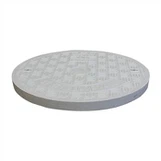
Hey there! I'm a supplier of SMC Molding Press Enclosures, and today I'm gonna walk you through how these nifty enclosures work.
First off, let's talk a bit about what SMC is. SMC stands for Sheet Molding Compound. It's a pre - mixed composite material that's made up of resin, glass fibers, fillers, and various additives. This stuff is pretty amazing because it combines the strength of glass fibers with the versatility of resin, making it super durable and resistant to all sorts of environmental factors.
So, what's an SMC Molding Press Enclosure? Well, it's an enclosure that's made using a molding press and SMC material. These enclosures are used in a whole bunch of industries, like electrical, automotive, and telecommunications. They're designed to protect sensitive equipment from things like dust, moisture, and mechanical damage.
Now, let's get into the nitty - gritty of how it all works.
The SMC Material Preparation
The process starts with preparing the SMC material. The resin, glass fibers, fillers, and additives are mixed together in a specific ratio. This mixture is then rolled into sheets of a uniform thickness. These sheets are like the building blocks for our enclosures. The glass fibers give the SMC its strength, while the resin holds everything together and provides a smooth finish.
Loading the Press
Once the SMC sheets are ready, they're loaded into the molding press. The press is a big, powerful machine that has two halves of a mold. The mold is designed to have the exact shape and dimensions of the enclosure we want to make. The SMC sheets are carefully placed between the two halves of the mold.
Heating and Compression
After the SMC sheets are in place, the press closes. This is where the magic happens. The press applies a lot of pressure to the SMC material, squeezing it into the shape of the mold. At the same time, the press heats up. The heat is crucial because it activates the resin in the SMC. The resin starts to cure, which means it hardens and bonds all the components of the SMC together.
The pressure and heat are maintained for a specific period of time, which depends on the size and complexity of the enclosure. During this time, the SMC material fills every nook and cranny of the mold, taking on its shape perfectly.
Cooling and Ejection
Once the curing process is complete, the press cools down. Cooling is important because it helps the enclosure maintain its shape and strength. After the enclosure has cooled enough, the press opens, and the newly formed SMC Molding Press Enclosure is ejected from the mold.
Finishing Touches
The ejected enclosure might have some rough edges or excess material. So, it goes through a finishing process. This can involve trimming the edges, sanding the surface to make it smooth, and adding any necessary holes or cut - outs for things like cables or access panels.
Advantages of SMC Molding Press Enclosures
One of the biggest advantages of these enclosures is their strength. The glass fibers in the SMC give them excellent mechanical properties, which means they can withstand a lot of stress without breaking. They're also highly resistant to corrosion, making them perfect for use in harsh environments.


Another great thing is their electrical insulation properties. This is a huge plus in the electrical industry, where enclosures need to protect equipment from electrical interference and prevent electrical shocks.
SMC Molding Press Enclosures are also lightweight compared to some other materials, which makes them easier to install and transport. And they have a long lifespan, so you don't have to worry about replacing them too often.
Applications
As I mentioned earlier, these enclosures are used in a wide range of industries. In the electrical industry, they're used to house circuit breakers, transformers, and other electrical components. In the automotive industry, they can be used for things like battery enclosures and engine covers. In the telecommunications industry, they protect sensitive communication equipment from the elements.
If you're interested in learning more about SMC products, you can check out our SMC Cable Tray and SMC Angle Profile on our website. And of course, if you want to know more about our SMC Molding Press Enclosure, just head over to the link.
Why Choose Us as Your Supplier
As a supplier, we've got a lot going for us. We've got years of experience in the industry, so we know how to make high - quality enclosures that meet your specific needs. Our manufacturing process is highly efficient, which means we can deliver your orders in a timely manner.
We also use the latest technology and equipment to ensure that our enclosures are of the highest quality. And we've got a great team of experts who are always ready to answer your questions and provide you with the support you need.
If you're in the market for SMC Molding Press Enclosures, I'd love to have a chat with you. Whether you're a small business looking for a few enclosures or a large corporation with a big order, we can work together to find the right solution for you. Just reach out, and we can start the conversation about your requirements.
In conclusion, SMC Molding Press Enclosures are a great choice for protecting your equipment. Their unique manufacturing process gives them a lot of advantages, and they're suitable for a wide range of applications. If you're interested in learning more or making a purchase, don't hesitate to get in touch.
References
- Composite Materials Handbook: This handbook provides in - depth information about SMC and other composite materials, including their properties and manufacturing processes.
- Industry Journals: There are many industry - specific journals that publish research and articles on SMC Molding Press Enclosures, their applications, and advancements in the field.